Cords
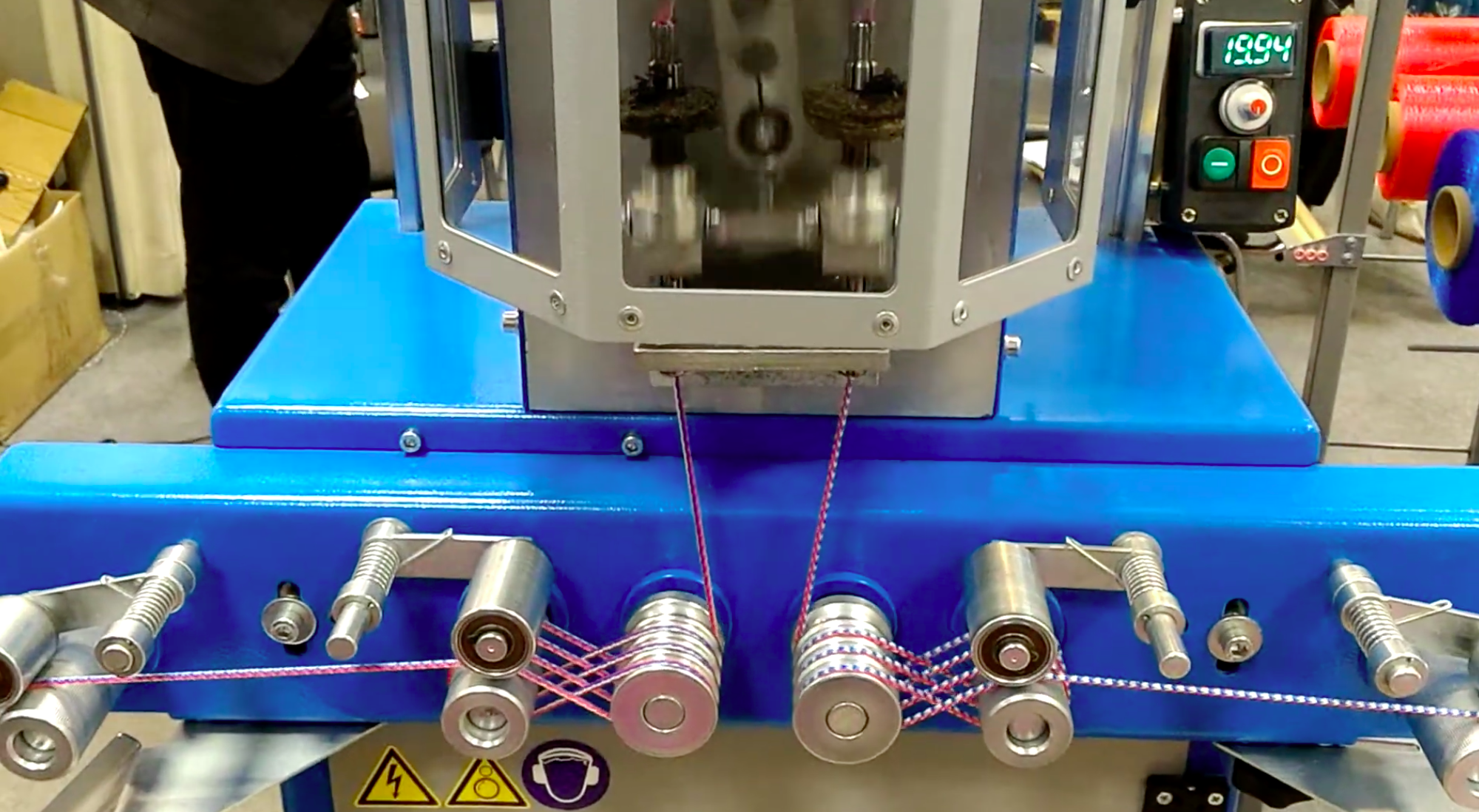
Cords
Different colours and options on request

Ropes and cords are essential tools in various industries and recreational activities. From construction sites to adventure sports, they serve multiple purposes, ensuring safety, stability, and efficiency. Depending on the material and weave, ropes offer different levels of durability, flexibility, and load-bearing capacity. Whether for professional applications or daily use, selecting the right rope ensures reliability and performance.
Different types of ropes are designed to meet specific needs, featuring unique properties that enhance their functionality. The main characteristics include:
Each type of rope serves a unique purpose, making it essential to choose the right one for specific requirements.
Ropes and cords are indispensable in numerous fields, playing a critical role in both safety and functionality:
By choosing the appropriate rope, users can enhance performance, safety, and efficiency in various professional and recreational activities.
We will notify you