Cords
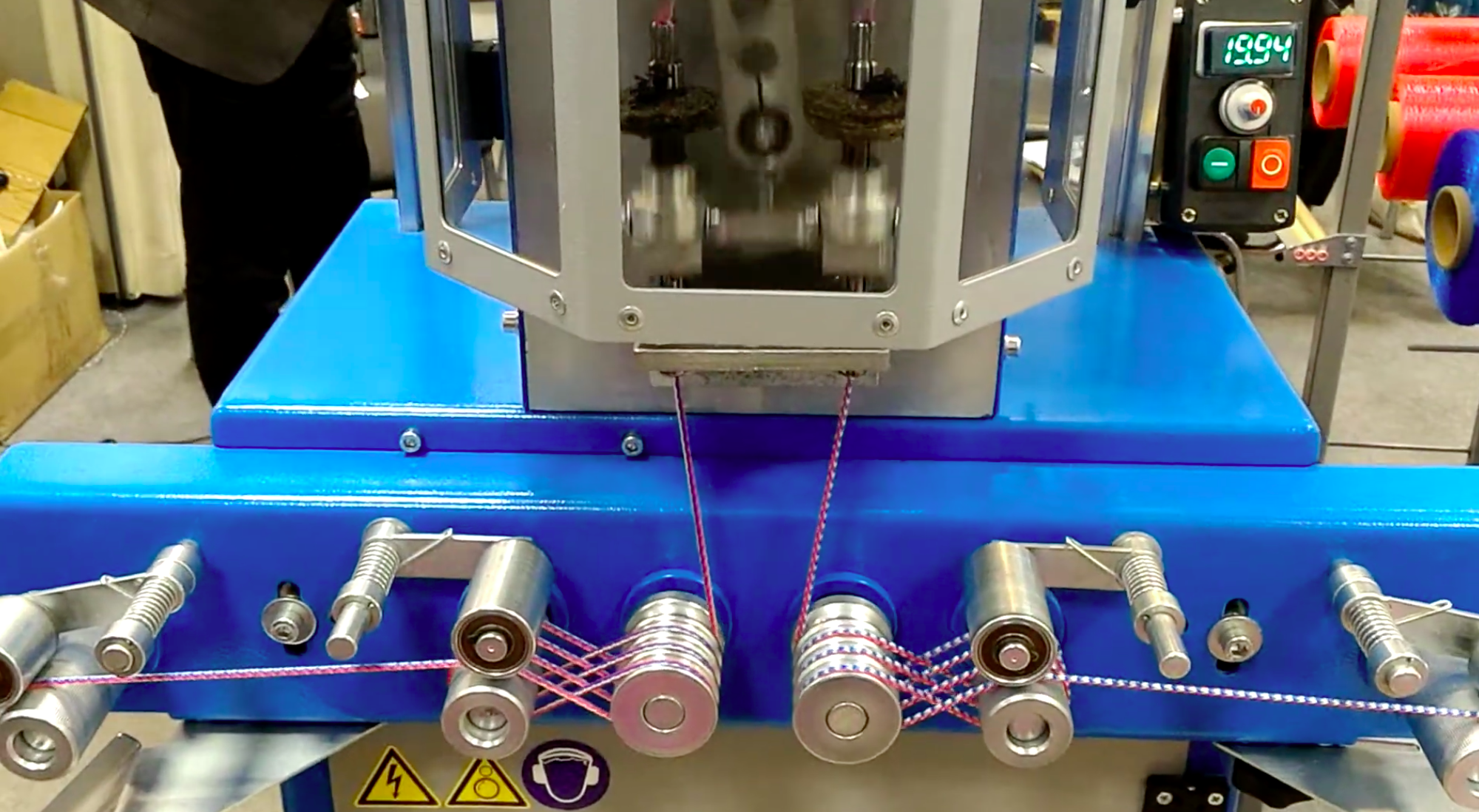
Cords
Different colours and options on request
Now Shopping by
Clear All
- Industries Construction

In the construction industry, high-quality ropes are essential for ensuring efficiency, durability, and safety in various tasks. Construction rope is used for lifting, securing, and marking areas, playing a crucial role in both small-scale projects and large construction sites. Manufactured with strong synthetic or natural fibers, these ropes are designed to withstand high tension, extreme weather conditions, and heavy loads.
Construction ropes must meet specific standards to guarantee safety and functionality in different environments:
Due to these properties, rope for construction is widely used in scaffolding, lifting operations, and safety harnesses.
Selecting the right rope used in construction depends on several key factors:
By choosing the correct construction rope, workers can ensure safer and more efficient performance on-site.
We will notify you